
Thailand Air Pollution and Burning Season: Staying Safe
Haze is worst in northern Thailand from January to April, and March is the peak in Chiang Mai. Check live readings on Air4Thai, limit time outdoors when the air is severely polluted, and wear an N95 or P100 respirator if you must be out.
On this page
The haze that matters to travellers hits northern Thailand from January to April, and March is the worst month in Chiang Mai. Bangkok and Chiang Mai are both affected by seasonal smoke haze from farmers burning trees and crops, and the particulate count sometimes reaches dangerous levels.
When and where the haze hits
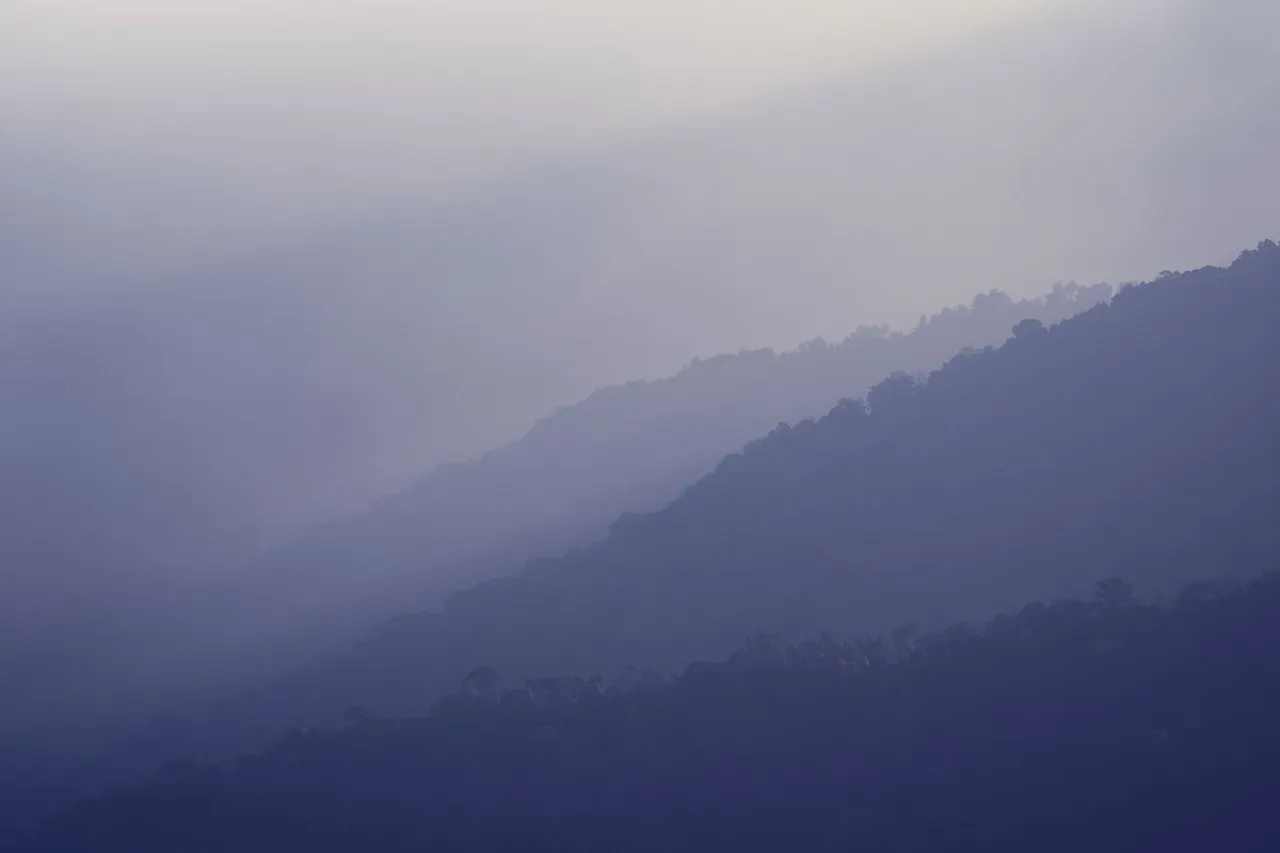
The Thai Meteorological Department’s 1991-2020 normals count haze on 26.8 days in March in Chiang Mai, against 7.8 in November. That is a count of hazy days, not a pollution reading. In 2026, Chiang Mai province banned open burning in all areas until 31 May, and one central district had red-level PM2.5 for 4 days in a row from 29 March.
Thai law sets the 24-hour average limit for PM2.5 at 37.5 micrograms per cubic metre from 1 June 2023. The pollution may worsen bronchial, sinus or asthma conditions. Our Chiang Mai guide and Pai guide cover the north in more detail, and best time to visit shows the months side by side.
Protecting yourself
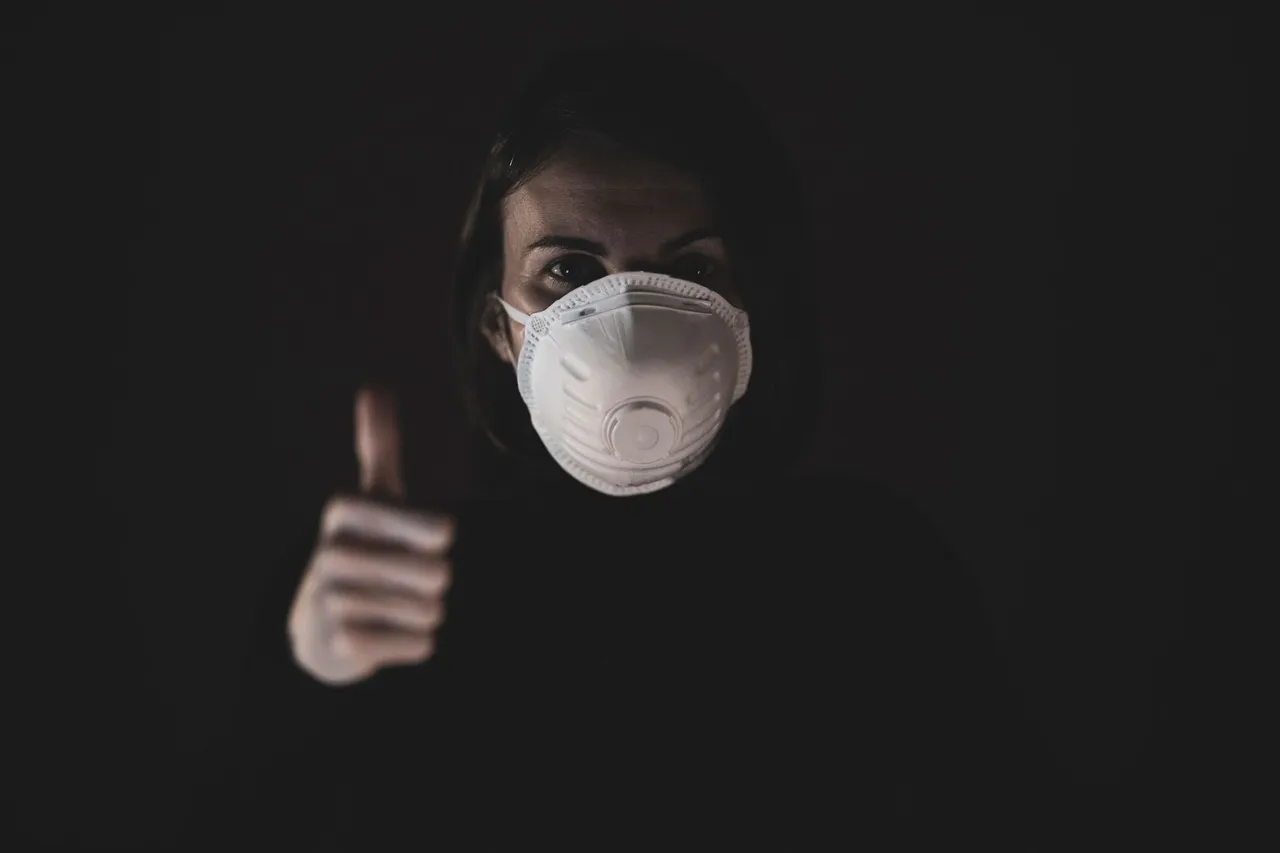
Dust masks, surgical masks and bandanas offer limited protection against severely polluted air. When the air is that bad, the best protection is to avoid prolonged time outdoors. If you must go out, a NIOSH-approved N95 or P100 respirator can protect you from wildfire smoke and very small particles, though NIOSH does not currently approve respirators for children.
Travellers with asthma, COPD or heart disease should limit strenuous or prolonged outdoor activity when the air quality index is poor. For a longer stay, an indoor air filtration system is worth considering.
Checking the air before you go out
Air4Thai, the Pollution Control Department’s website and app, is where Thai officials point people for air quality reports. Look at it before an outdoor day rather than judging by the sky. If haze would ruin your trip, November is the safer month for the north than March.
Photos (3)
- 6th Era Photography
- Engin Akyurt
- Ketut Subiyanto
Not confirmed: The next season's open-burning ban dates are not announced in anything read, and the latest dates found are for the 2026 ban. Check the provincial announcement for your dates before you book.
Common questions
When is the burning season in northern Thailand?
The haze peaks from January to April, and March is the worst month in Chiang Mai.
What is Thailand's PM2.5 limit?
The 24-hour average must not exceed 37.5 micrograms per cubic metre.
Does a surgical mask protect me from haze?
Surgical masks, dust masks and bandanas offer limited protection against severely polluted air; a NIOSH-approved N95 or P100 respirator can protect you from wildfire smoke.
Where do I check the air quality?
On the Air4Thai website and app.
Read next
Sources and reader comments
Official legal texts (Gazette, government portals):
- Thai Meteorological Department: Climatological Data of Thailand for 30-year period 1991-2020 (Meteorological Data report 551.586-13-2023) (opens in a new tab)
- Royal Gazette Vol. 139 Special Part 163 Ngor, 8 Jul 2022, pp. 21-22: National Environment Board announcement on the PM2.5 ambient air standard (signed 23 Jun 2022). The ratchakitcha.soc.go.th URL returned HTTP 403 to curl; text read from the Wayback copy of that exact PDF. (opens in a new tab)
- CDC Yellow Book 2026: Air Quality and Ionizing Radiation During Travel (read in the browser pane 4 Nov 2026; cdc.gov blocks curl) (opens in a new tab)
- Environmental and Pollution Control Office 1 (Chiang Mai), Pollution Control Department (epo01.pcd.go.th) - announcement 6/2569 on air quality exceeding the standard in the upper North, 1 Apr 2026 (opens in a new tab)
- Chiang Mai Provincial PR Office, Public Relations Department (chiangmai.prd.go.th) news of 29 Apr 2026: air quality overview and burning ban reminder (opens in a new tab)
General health information checked against the sources listed above, not medical advice. Rules, vaccine schedules and prices change; see a doctor or the hospital before you act. See how guides are checked.
Spotted an error? Report it.