
Buying Medicine in a Thai Pharmacy: What Is Allowed
Yes, a licensed pharmacist in Thailand can sell most antibiotics without a prescription, but travellers have been arrested for carrying medicine bought at a Thai pharmacy without one. Ask a doctor first, keep to a 30-day personal supply, and never buy from the street.
On this page
If you wake up with a sore throat or a stomach bug, the Thai pharmacy on the corner is usually the fastest help you will find, and the rules behind that counter are looser than at home. A 2017 study found that most antibiotics are classed as dangerous drugs, which only a licensed pharmacist may dispense but which can legally be bought without a prescription. The catch is what happens after you walk out with the bag.
What the pharmacist will sell you
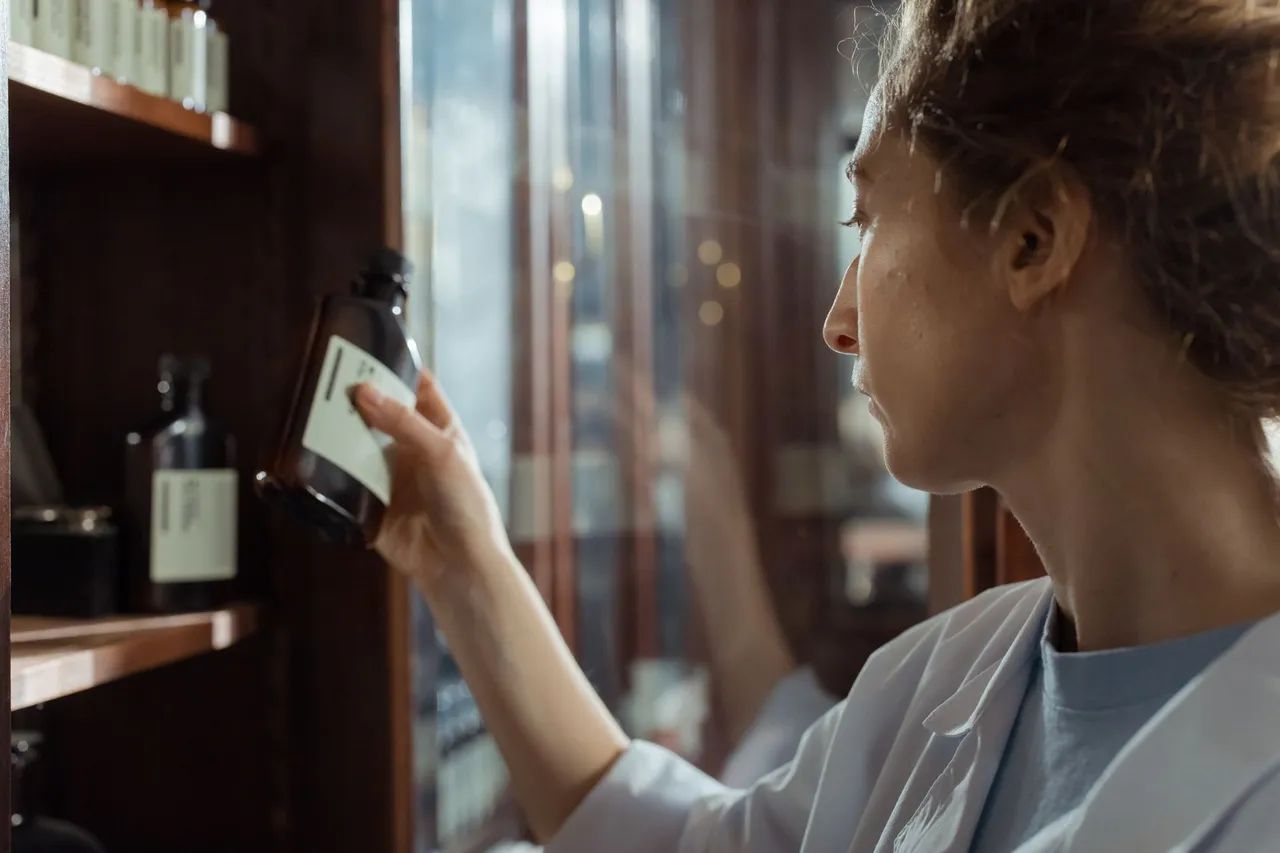
In Thailand the pharmacy is where a licensed pharmacist hands over medicine, and for the dangerous-drug group that includes most antibiotics no prescription is needed. The same study found no legal limit on how much of an antibiotic one person could buy, and that the quality of dispensing depends largely on the competence of the people involved. In other words, the law will not protect you from a careless counter, so treat the pharmacist’s advice as a starting point rather than a diagnosis.
If you have a prescription from home, take it along, because hospitals and pharmacies across Thailand will usually accept UK prescriptions. That makes a repeat supply of a regular medicine simpler than most visitors expect.
Which medicines still need a prescription
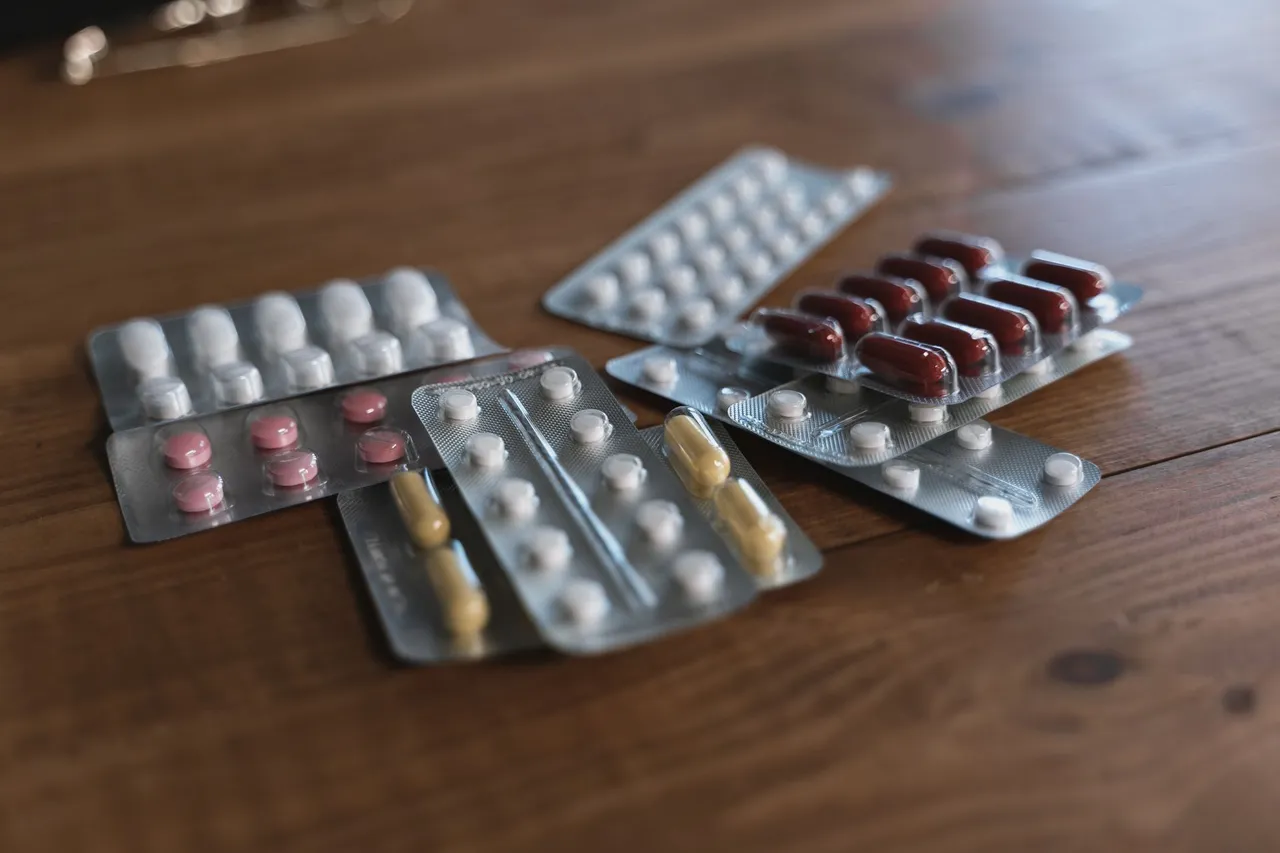
A small group of antibiotics, such as carbapenems, are special-control drugs that cannot legally be obtained without a prescription and are reserved for hospital use. So if a counter offers one of those without paperwork, walk away. That study was accepted in December 2017, and the lists can change, so use it as a guide to how the system works rather than a current catalogue.
Taking medication without medical advice or a prescription can have serious health consequences, and the practical reading of that is simple: a pharmacist can sell you an antibiotic, but only a doctor can tell you whether you need one. A fever that lasts, or any case where you are unsure, is a reason to see a doctor, and our hospital costs guide covers what a visit involves.
Carrying what you buy
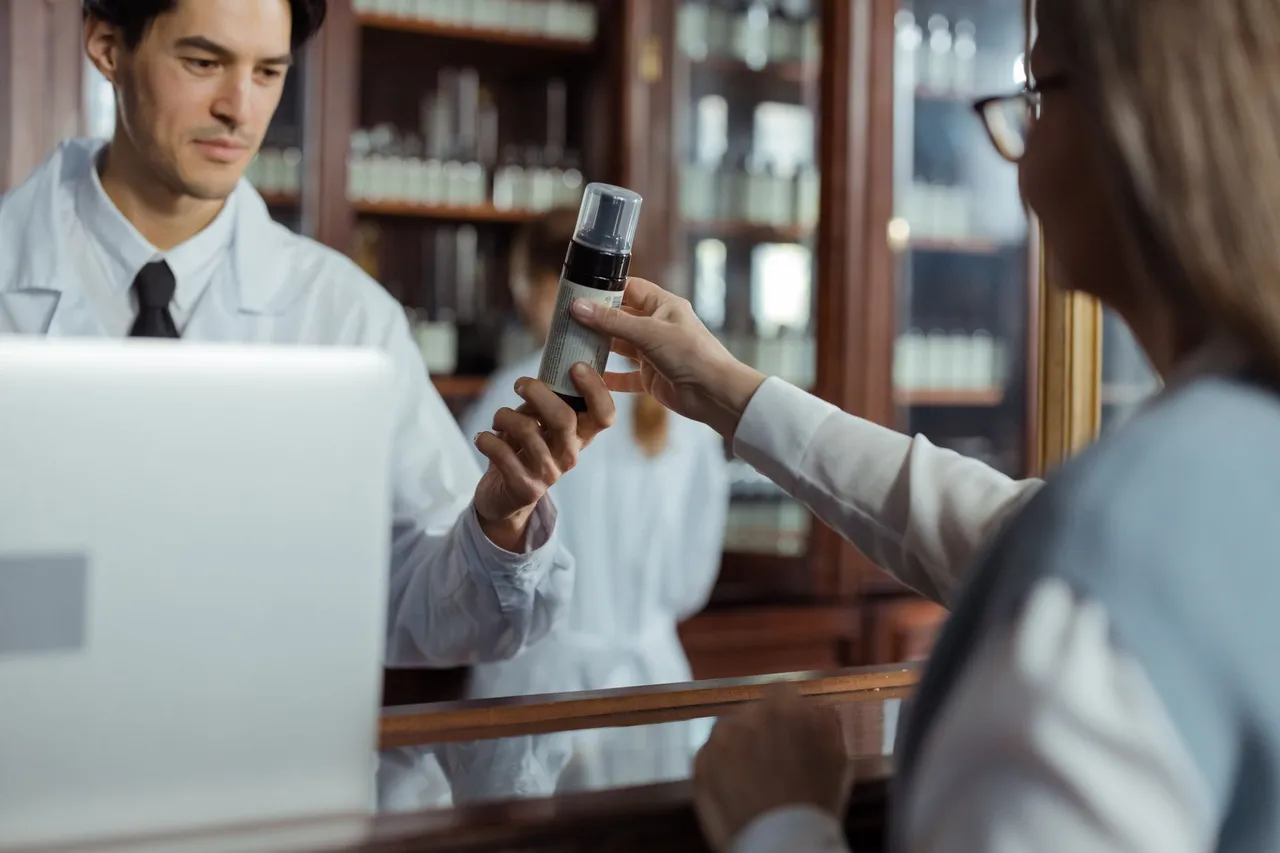
This is the part most visitors miss. Australia’s travel advice says travellers have been arrested for carrying medicine, even if prescribed by an Australian doctor or bought at a Thai pharmacy without a prescription. It adds that if you are caught with illegal medicine you could face detention, fines or harsher penalties, and it tells you to check the legality with the Royal Thai Embassy.
The Thai FDA’s personal-use rule is a good yardstick: medicines can be carried in the amount necessary for personal use, up to 30 days. Some everyday ingredients sit on the controlled list, since the FDA’s example list of Category 2 psychotropic substances includes pseudoephedrine and phentermine. If you are carrying a cold remedy or a prescribed medicine, read our guide to bringing medication into Thailand before you travel, and keep the original packaging and a doctor’s letter.
What to avoid
Skip anything sold from a market stall or by a street seller, because medication sold on the street may not be genuine or may have been stolen. If a branded product is out of your budget, remember that brand-name medication can often be more expensive than locally produced medication, so you can ask the pharmacist for a local equivalent.
Do not pass on spare tablets, either. Thai FDA guidance says travellers are forbidden to sell or supply their medications to others, and that includes a friend who simply asks for one.
Before you go to the counter
Australia’s advice is to get medical advice before buying medicine in Thailand, and the easiest way to do that is to ask the pharmacist what the product is, what it treats and what the active ingredient is. Write the answer down, keep the box, and photograph the label. For anything serious, your travel insurance should cover a doctor’s visit, so see the travel insurance guide, and save the emergency numbers in your phone.
Photos (3)
- cottonbro studio
- Tima Miroshnichenko
- Mikhail Nilov
Not confirmed: Which antibiotics need a prescription is known only from a study accepted in December 2017, so today's classification may differ: ask the pharmacist to confirm it. Before you carry anything you bought, check the rules with the Royal Thai Embassy.
Common questions
Can a tourist buy medicine in Thailand without a prescription?
A 2017 study found most antibiotics are classed as dangerous drugs that a licensed pharmacist may sell without a prescription, while a few special-control drugs need one.
Is it safe to take what I bought home or onward?
Not always: travellers have been arrested for carrying medicine bought at a Thai pharmacy without a prescription. Keep to the amount needed for personal use, up to 30 days.
Do Thai pharmacies accept a prescription from home?
Hospitals and pharmacies across Thailand will usually accept UK prescriptions.
Is branded medicine more expensive?
Brand-name medication can often be more expensive than locally produced medication.
Can I buy medicine from a market stall or street seller?
Medication sold on the street may not be genuine or may have been stolen.
Can I give my spare pills to a friend?
No: Thai FDA guidance says travellers are forbidden to sell or supply their medications to others.
Read next
Sources and reader comments
Official sources:
- Smartraveller (Australian DFAT): Thailand travel advice, Health (opens in a new tab)
- Thai FDA: Guideline of importation for personal use, passenger belongings related to health products (into the Kingdom of Thailand) (opens in a new tab)
- GOV.UK (FCDO) Thailand travel advice: Health (Medication) (opens in a new tab)
- Thai FDA: Guidance for Travelers under Treatment Carrying Personal Medications Containing Narcotic Drugs/Psychotropic Substances out of Thailand, Version 3, 8 June 2020 (hosted by the Ministry of Foreign Affairs) (opens in a new tab)
Company and press pages (not official sources):
General health information checked against the sources listed above, not medical advice. Rules, vaccine schedules and prices change; see a doctor or the hospital before you act. See how guides are checked.
Spotted an error? Report it.