
Thai Street Food and Water: How to Avoid Stomach Trouble
Thai street food is the usual source of travellers' diarrhoea, but you can cut the risk by eating only at stalls that cook to order and serve steaming hot food on new disposable dishes. Drink only from sealed containers and skip ice, and ask your doctor about hepatitis A, hepatitis B and typhoid vaccines.
On this page
At a night market, the stall matters more than the dish. Thai street food can be a source of travellers’ diarrhoea because outdoor eateries lack clean running water, which makes good hand and food hygiene hard. The good news is that a few habits remove most of that risk.
Eating street food without the stomach trouble
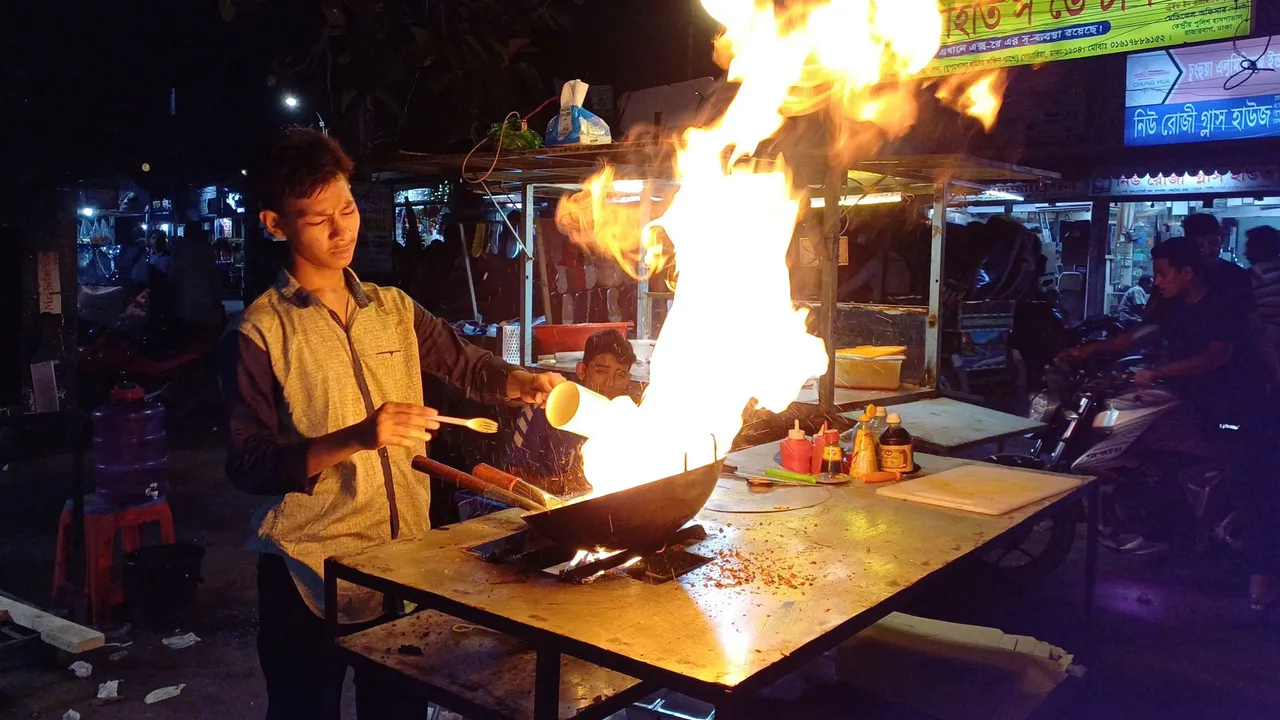
Pick stalls where you can watch the food being cooked, because the advice is to visit only restaurants or food stalls that cook food to order. The same advice says to avoid raw or undercooked food, to eat only steaming hot food served on new disposable dishes, to avoid raw garnishes, and to eat fruit that you peel yourself.
In practice that means a busy wok stall beats a tray of pre-cooked dishes sitting out, and a mango you watch being peeled beats a pre-cut cup of fruit. A queue of locals helps, but it is the cooking, not the crowd, that the advice relies on.
Water, ice and drinks
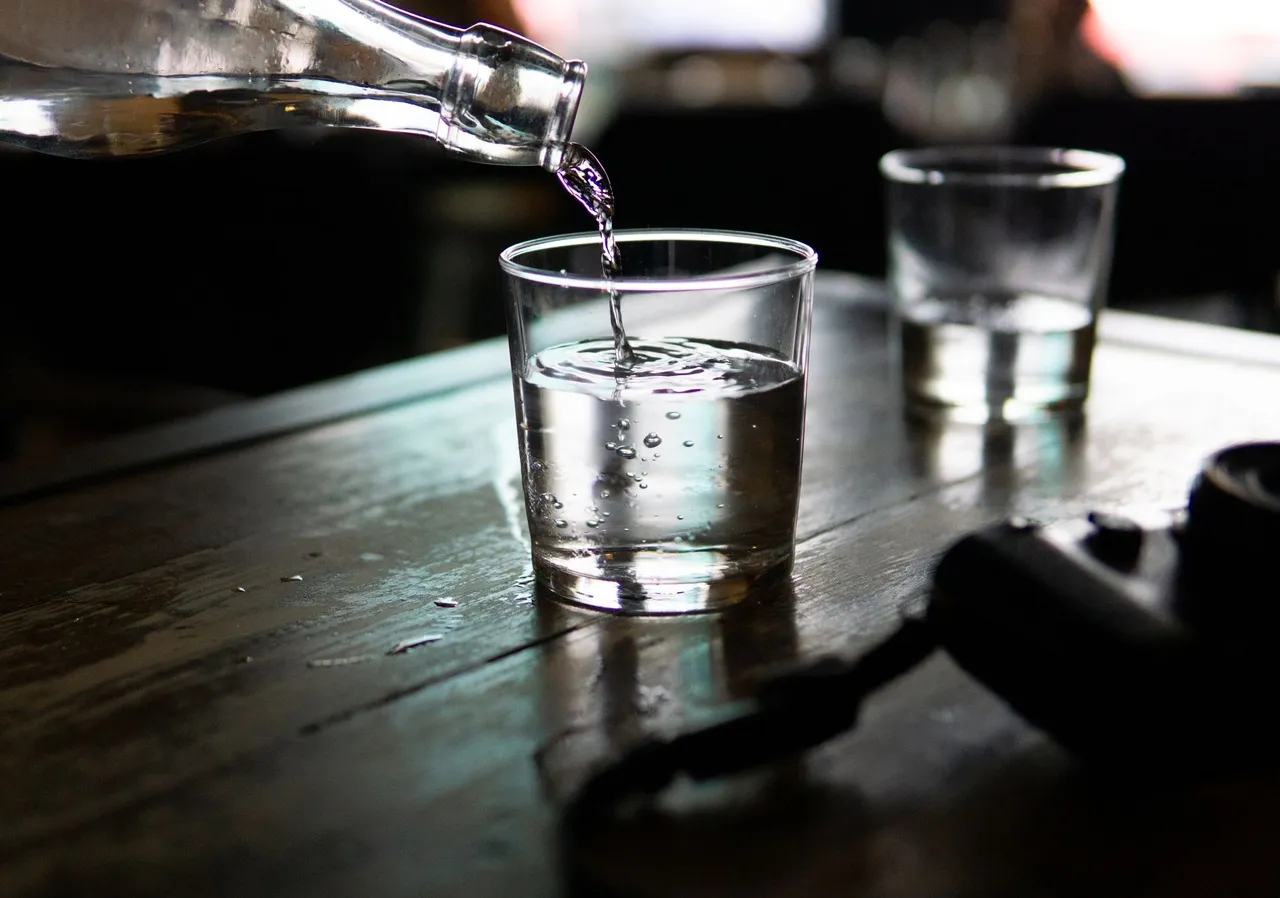
Bottled or filtered water is widely available, so you never need to look far for a safe drink. The advice is to drink only beverages from sealed containers and to avoid ice. If you are unsure about the ice in a smoothie or iced coffee, ask for it without, and check that bottles are sealed before you pay.
Is tap water safe in Bangkok?
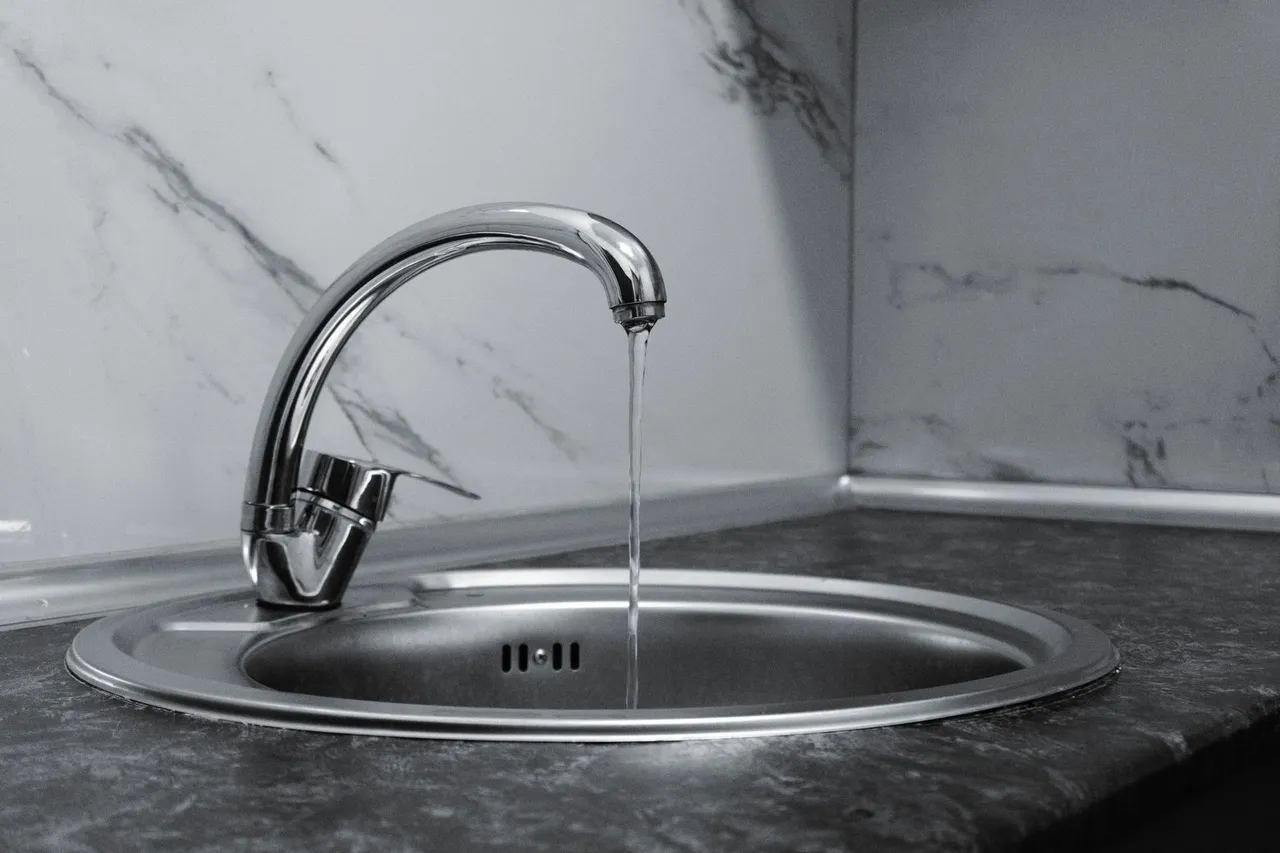
Two answers exist, and you should know both. The advice for travellers is not to drink water from the tap. The Metropolitan Waterworks Authority, which supplies Bangkok, states that its tap water is safe to drink, and the Department of Health certified its full compliance on 16 June 2025. That certificate covers the Bangkok area only.
For a visit, the simple choice is to follow the traveller advice and use sealed water for drinking and brushing teeth, then treat the Bangkok report as reassurance if a drop goes in your mouth in the shower. Outside Bangkok, assume the tap is not for drinking; see our first-time checklist for the Bangkok water details.
Vaccines for food and water diseases
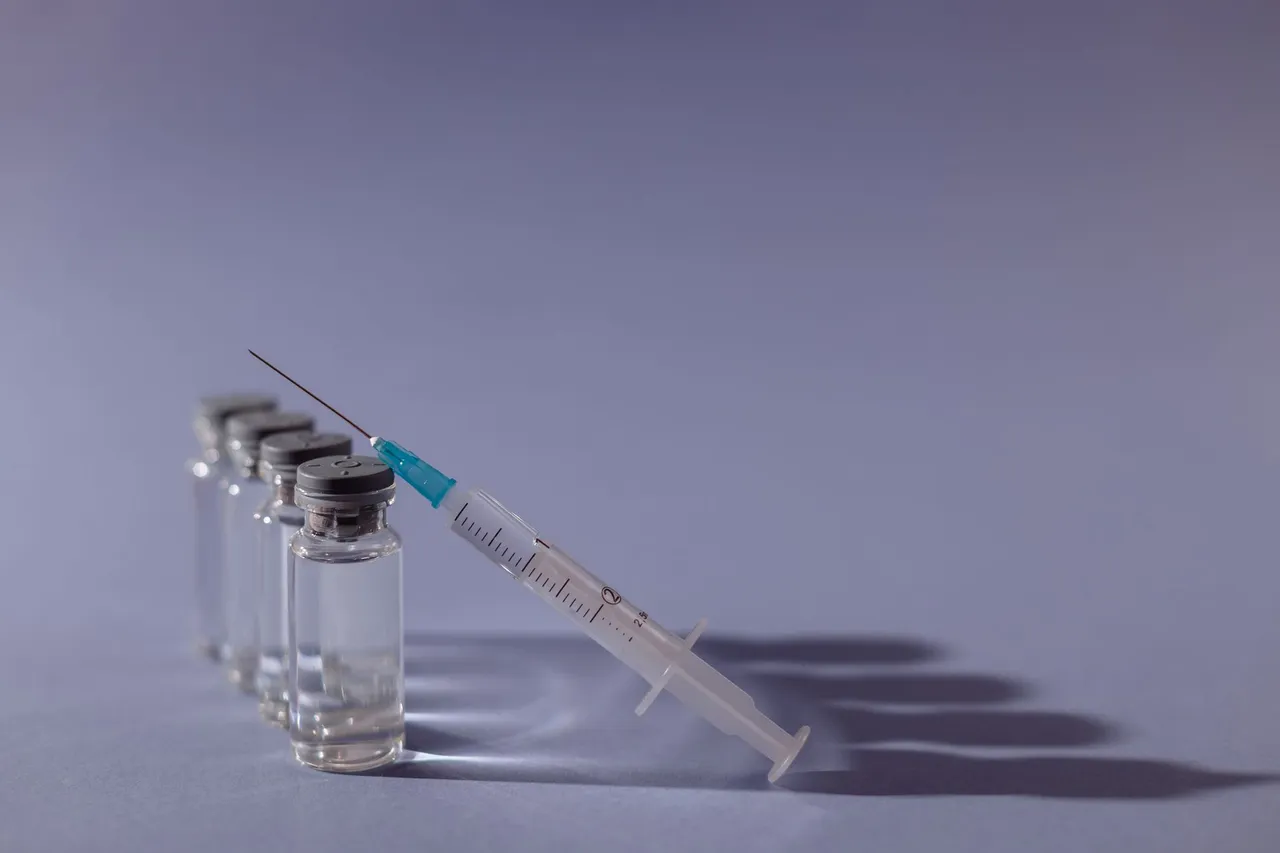
Vaccination against hepatitis A, hepatitis B and typhoid fever is strongly recommended for travellers to Thailand. Typhoid vaccination matters most if you will visit smaller cities or rural areas. Cholera is a small risk, since rare sporadic cases have been reported in recent years, with no outbreaks or active cholera transmission.
Vaccines need weeks to work, so book a travel clinic visit before you fly. For what else to ask about, see our vaccinations guide.
Washing hands and what to do if you are ill
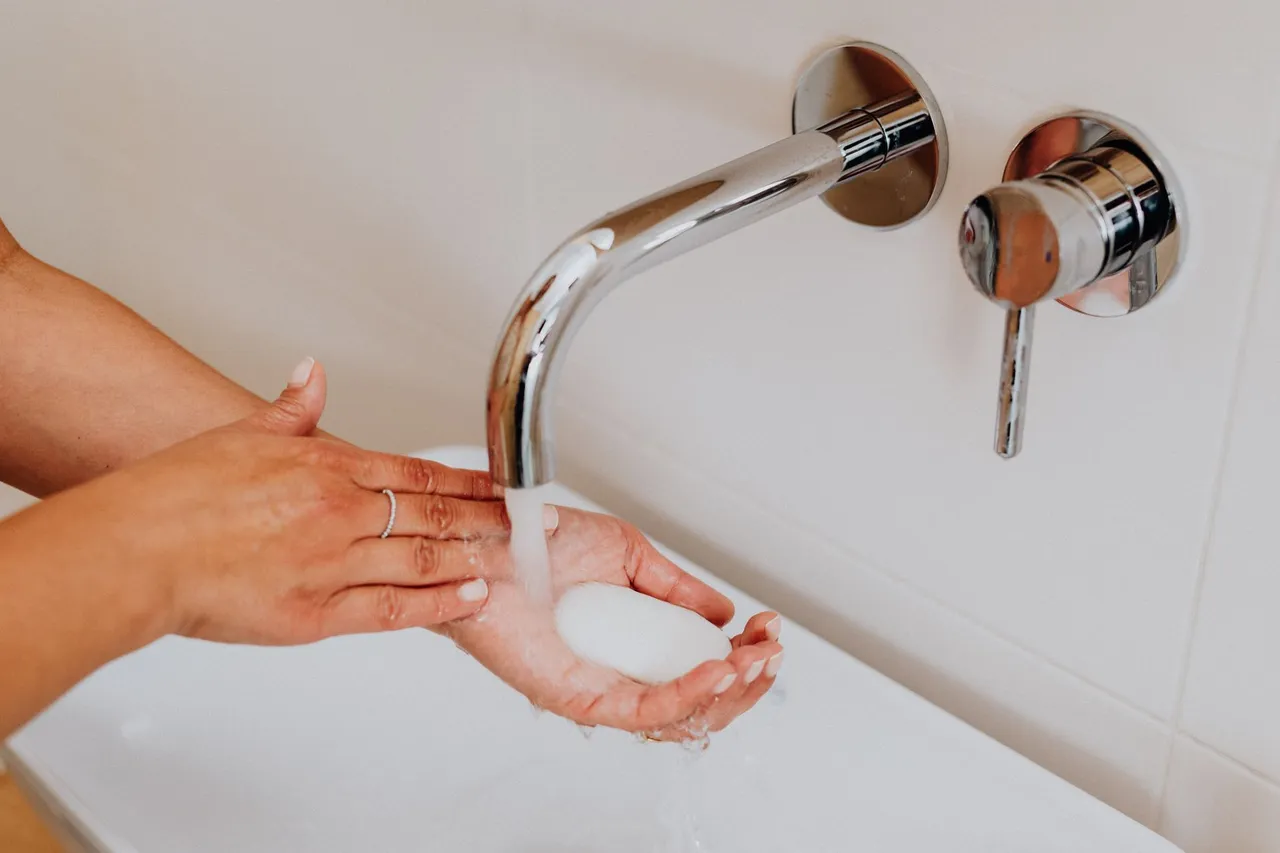
Follow safe food and water precautions and wash your hands frequently. Carry hand gel for stalls that have no sink, since the lack of clean running water is the problem in the first place.
If you do get an upset stomach, resist the urge to grab an antibiotic from the counter. Taking medication without medical advice or a prescription can have serious health consequences, and fluoroquinolone-resistant gut pathogens are widespread in Thailand. Read our guide to buying medicine in a Thai pharmacy first, see a doctor if symptoms last, and keep the travel insurance guide handy.
Photos (5)
- Ashikur Rahman
- Elle Hughes
- Zulfugar Karimov
- Thirdman
- Kaboompics
Not confirmed: Tap water outside Bangkok is not covered by any official report we read, so treat it as undrinkable and ask your accommodation. Whether the ice at a particular restaurant is safe is also unknown: ask for drinks without ice if you are unsure.
Common questions
Is street food in Thailand safe to eat?
It can cause travellers' diarrhoea because outdoor eateries lack clean running water for hand and food hygiene. Choose stalls that cook food to order and serve it steaming hot.
Can you drink tap water in Thailand?
Do not drink water from the tap, although the Bangkok water authority states its tap water is safe to drink. Sealed bottled water is the simple rule everywhere.
Should I avoid ice in drinks?
CDC's advice is to avoid ice and drink only beverages from sealed containers.
Is cholera a risk for tourists?
Rare sporadic cholera cases have been reported in recent years, with no outbreaks or active cholera transmission.
Which vaccines help with food and water diseases?
Vaccination against hepatitis A, hepatitis B and typhoid fever is strongly recommended.
Should I take antibiotics for an upset stomach?
Taking medication without medical advice or a prescription can have serious health consequences. Fluoroquinolone-resistant gut pathogens are widespread in Thailand, so see a doctor.
Read next
Sources and reader comments
General health information checked against the sources listed above, not medical advice. Rules, vaccine schedules and prices change; see a doctor or the hospital before you act. See how guides are checked.
Spotted an error? Report it.