
Scuba Safety in Thailand: Flying After Diving
Wait at least 12 hours before flying after a single no-decompression dive, and at least 18 hours after multiple dives or days of diving; those intervals reduce the risk but do not remove it. Breathe normally and ascend slowly, stay within your computer's limits, and know where the nearest chamber is before you dive.
On this page
The rule that catches most holiday divers is not underwater at all: it is the flight home. Wait at least 12 hours before flying after a single no-decompression dive, and at least 18 hours after multiple dives or multiple days of diving.
Dive within limits
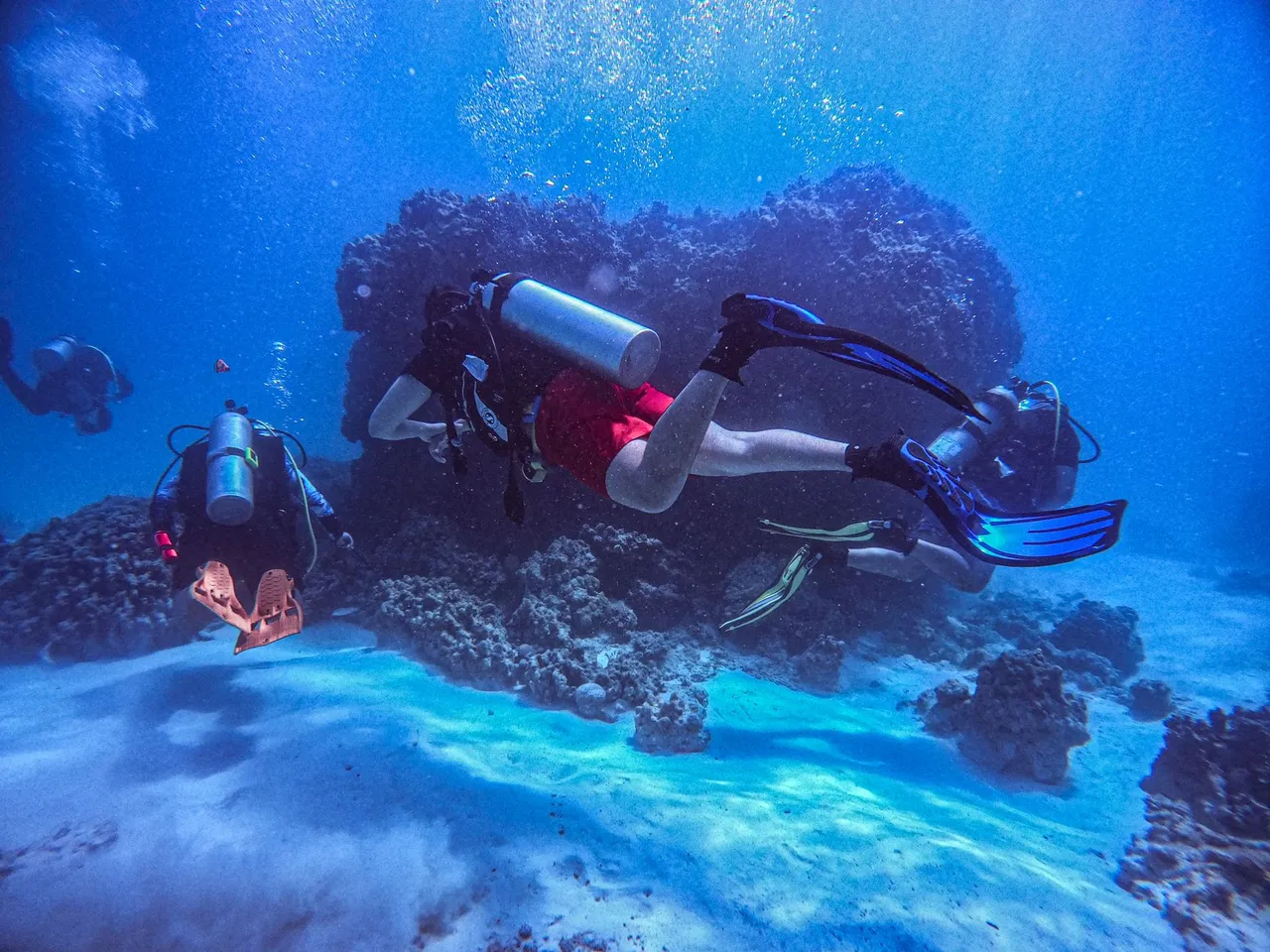
Recreational divers should dive conservatively and well within the no-decompression limits of their tables or computers. The main risk factors for decompression illness are dive depth, dive time and rate of ascent, so a shallow, unhurried dive is safer than a deep one at the same price.
Divers can also reduce the risk of a lung overpressure injury by breathing normally and ascending slowly. If a novice panics, the instinct is to bolt for the surface, so tell your guide beforehand if you are nervous.
Flying after diving
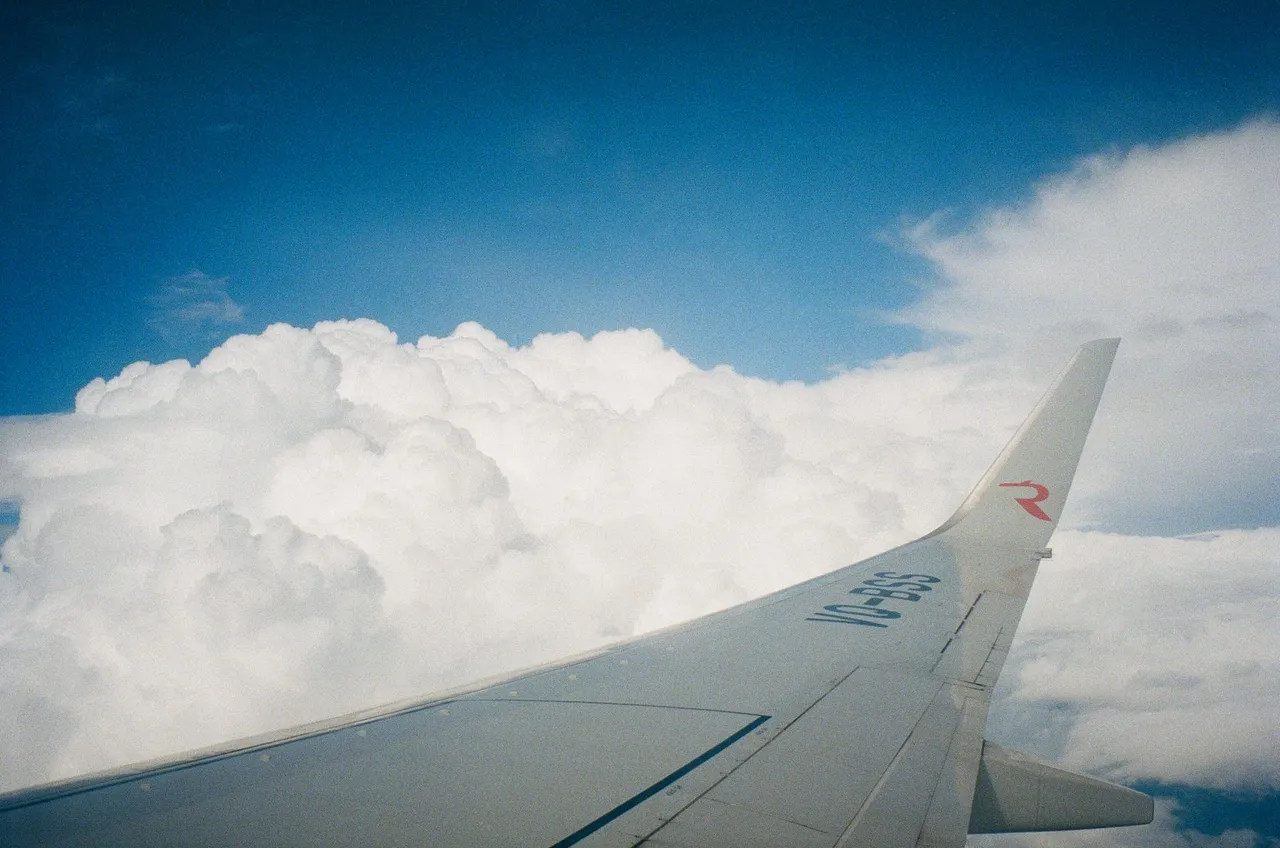
Commercial aircraft travel counts as an altitude exposure, which is why the waiting periods exist: at least 12 hours after a single no-decompression dive and at least 18 hours after multiple dives or multiple days of diving. These intervals reduce the risk but do not eliminate it, and longer waits reduce it further. Symptomatic divers should be evaluated before any exposure to altitude.
Plan the flight home around those intervals rather than squeezing a last dive in on the final morning. There are no guidelines for diving after flying.
Know where the chamber is

The definitive treatment for decompression illness is recompression and oxygen in a hyperbaric chamber. Travellers who plan to dive should check whether recompression facilities are available at their destination before they go, and DAN can help decide whether recompression is needed and locate the closest facility.
In Thailand, SSS runs chambers on both diving coasts, Phuket for the Andaman coast and Koh Tao for the Gulf. Our Koh Tao diving guide has the details for the island, including the chamber phone number.
If symptoms appear
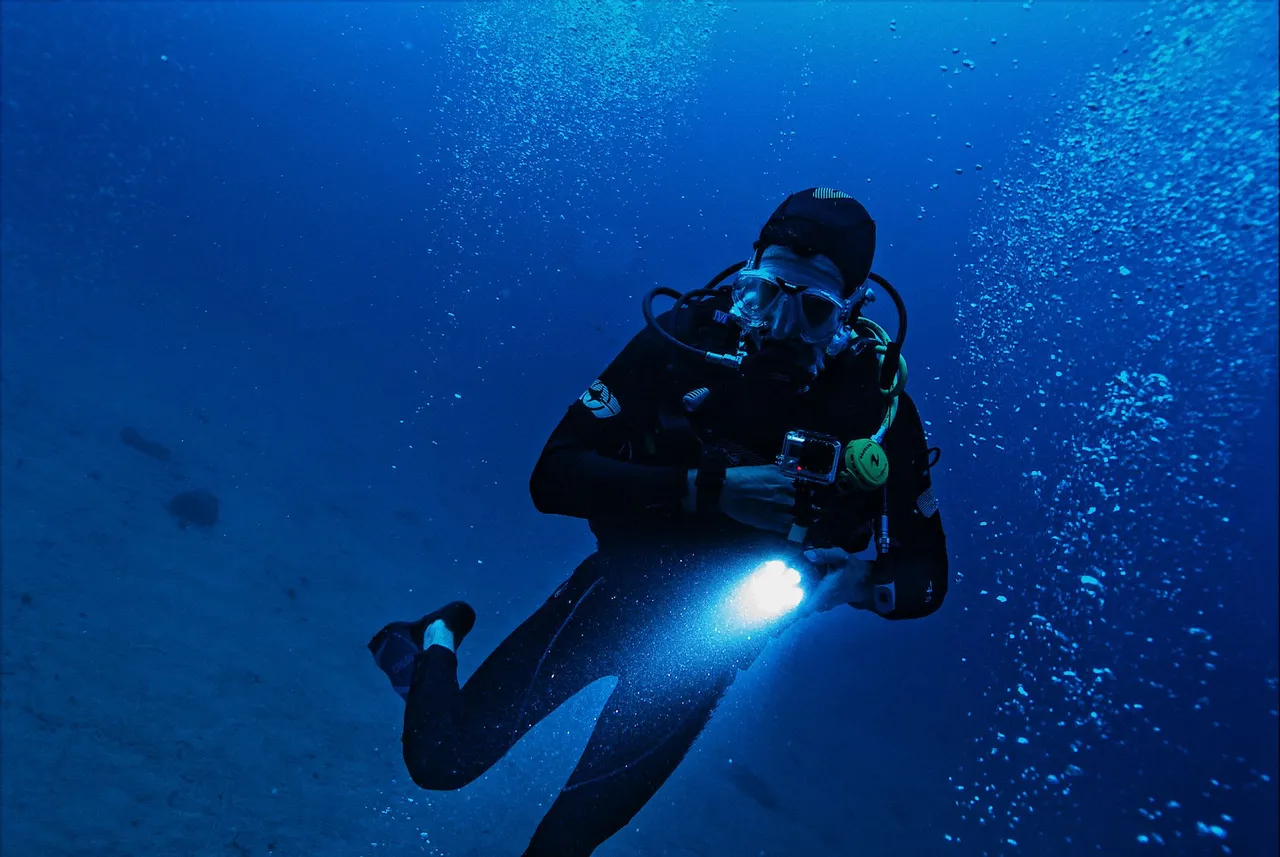
Call the nearest chamber and do not wait to see if the symptoms pass. Do not delay, because early recompression gives the best chance of full recovery. For a medical emergency outside a hospital, 1669 is the number on the national emergency institute’s home page; see our emergency numbers guide for the rest, and check your travel insurance covers diving before you book.
Photos (3)
- Pexels User
- Nikita Korchagin
- Mael BALLAND
Not confirmed: This page gives general guidance from a travel-medicine source, not advice for your medical condition. Check that your travel insurance covers diving before you book. Diving operators' own rules, course fees and whether a particular boat carries oxygen were not checked: ask the operator.
Common questions
How long should I wait to fly after diving?
At least 12 hours after a single no-decompression dive, and at least 18 hours after multiple dives or multiple days of diving. Longer further reduces the risk.
How can I avoid a lung injury while diving?
Breathe normally and ascend slowly.
What raises the risk of decompression illness?
The main factors are dive depth, dive time and rate of ascent.
Can I dive right after a flight?
There are no guidelines for diving after flying, so give yourself time to settle in before you dive.
Where are the recompression chambers in Thailand?
SSS runs chambers on both diving coasts: Phuket for the Andaman coast and Koh Tao for the Gulf.
What should I do if symptoms appear after a dive?
Call the nearest chamber and do not wait to see if the symptoms pass. Early recompression gives the best chance of full recovery.
Read next
Sources and reader comments
Official sources:
- CDC Yellow Book 2026: Scuba Diving, Decompression Illness and Other Dive-Related Injuries (23 Apr 2025) (opens in a new tab)
- National Institute for Emergency Medicine (niems.go.th), home page, Wayback snapshot of 2 Apr 2026 (opens in a new tab)
Company and press pages (not official sources):
General health information checked against the sources listed above, not medical advice. Rules, vaccine schedules and prices change; see a doctor or the hospital before you act. See how guides are checked.
Spotted an error? Report it.