
Sunscreen Ban in Thai National Parks: Four Chemicals
Sunscreen containing oxybenzone, octinoxate, 4-methylbenzylidene camphor or butylparaben is banned from every Thai national park, and violators can be fined up to THB 100,000. Check the ingredients list before you fly and choose a coral-friendly, mineral-based sunscreen such as zinc oxide.
On this page
Sunscreen from your home pharmacy can be illegal in a Thai national park. Sunscreen with four named chemicals is banned across all national parks, and under the 2021 rules (as of August 2021) a fine of up to THB 100,000 applies to violators. The fix costs nothing but a minute with the ingredients list.
What exactly is banned
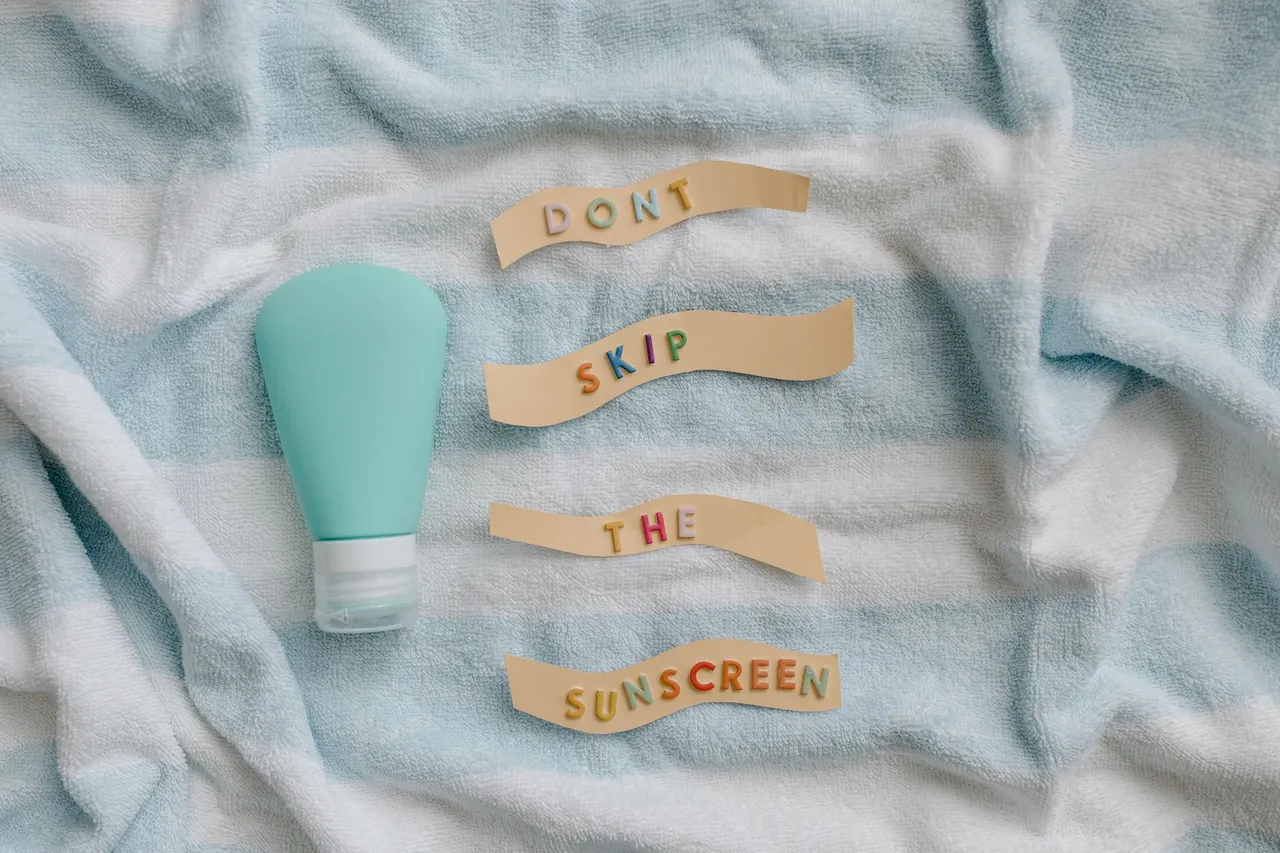
The ban followed a Department of National Parks announcement published in the Royal Thai Government Gazette on 3 August 2021. It prohibits bringing in and using sunscreen that contains any of four chemicals: oxybenzone, octinoxate, 4-methylbenzylidene camphor and butylparaben. Many mainstream beach sunscreens list at least one of them, so read the back of the bottle rather than the front.
Why it exists and what it costs you
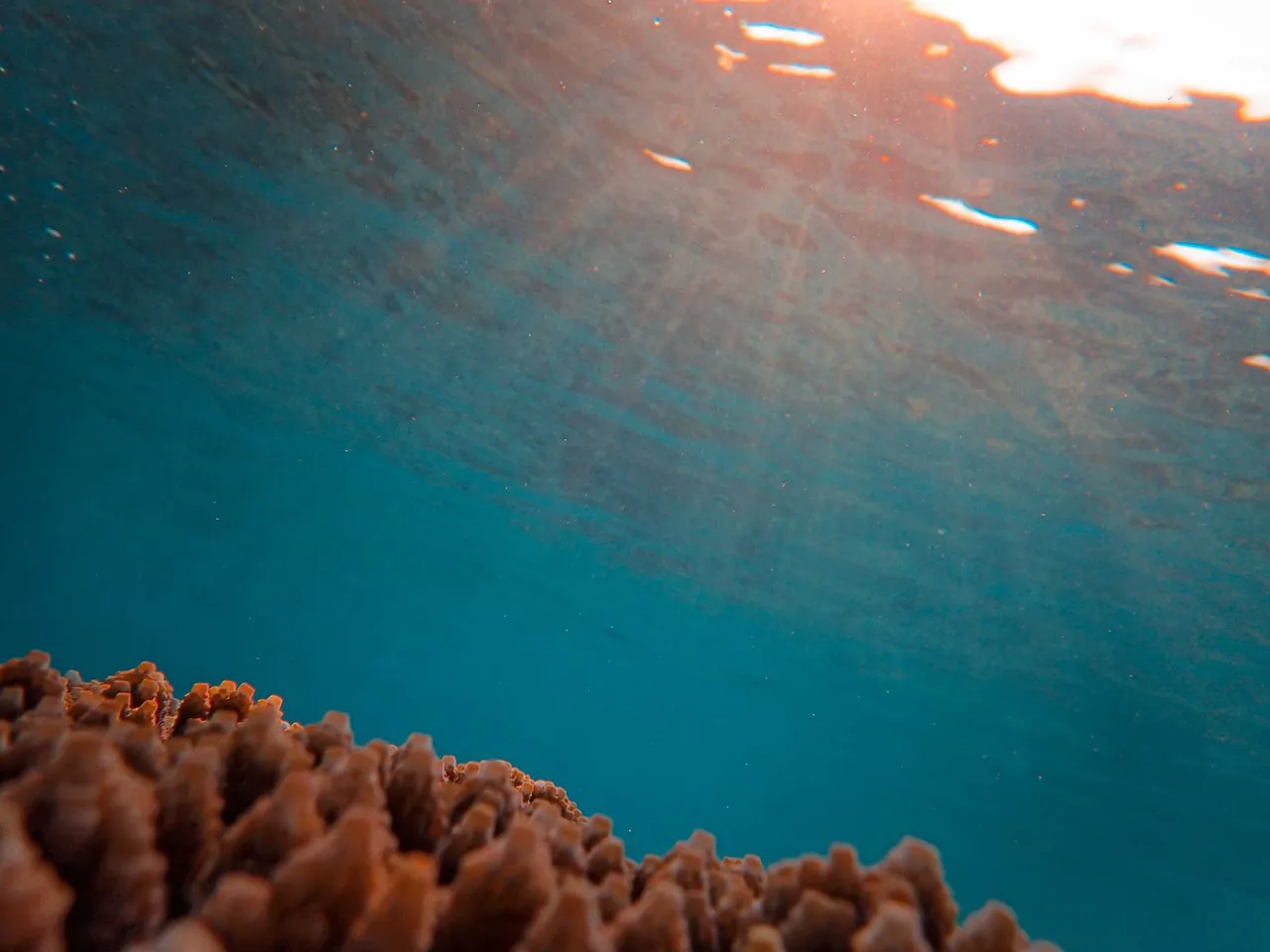
The announcement cited studies that found these compounds harm coral reefs by destroying coral larvae, obstructing their reproductive system and causing coral bleaching. Violators can be fined up to THB 100,000 (as of August 2021).
Rangers act on this at marine parks in particular. Maya Bay’s visitor rules ask you to refrain from using sunscreen containing prohibited substances, and Similan’s season opening asked visitors for sunscreen without chemicals harmful to coral. For the fees and rules of those places, see our Maya Bay guide and the Similan Islands guide.
What to buy instead
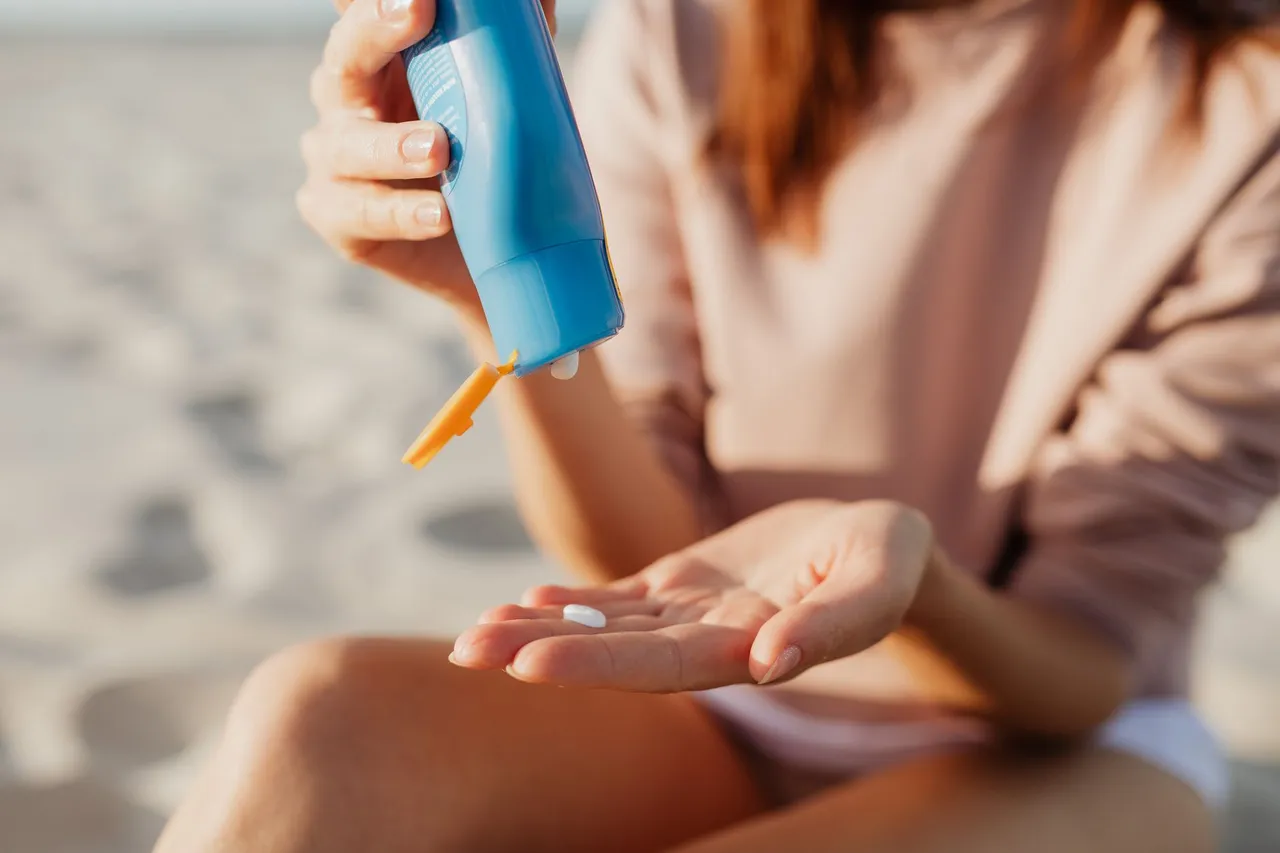
Tourists are advised to check that the ingredients list does not contain any of the four chemicals, and to look for coral-friendly, mineral-based sunscreen such as zinc oxide. Check the ingredients list before you pack, so you are not choosing from a kiosk shelf at the pier.
How to need less of it
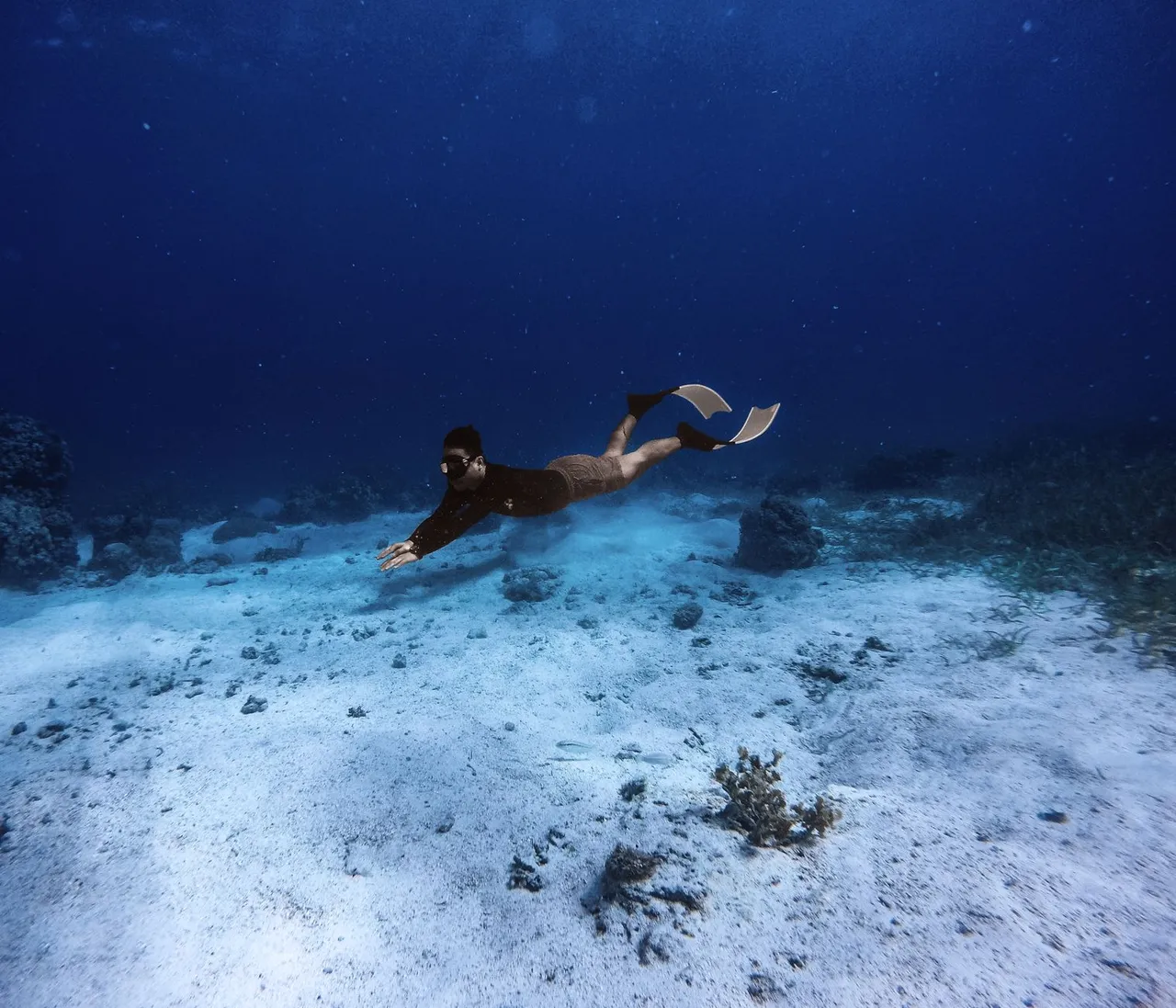
A hat and long-sleeved swimwear cut the amount of sunscreen you need, and a water-resistant sunscreen is recommended as well. On a snorkelling day that means covering up first and using sunscreen only on exposed skin. For the wider list of park rules, our national park fees guide is the next stop.
Photos (4)
- Tara Winstead
- Francesco Ungaro
- Kaboompics
- John Cahil Rom
Not confirmed: The ban is read from a 2021 summary of the Gazette notice, not the notice itself. If you want certainty about a borderline product or a recent change, ask the park staff at the ticket counter before you go in.
Common questions
Is sunscreen banned in Thai national parks?
Sunscreen with any of four chemicals is banned in all national parks: oxybenzone, octinoxate, 4-methylbenzylidene camphor and butylparaben.
What is the fine?
Violators can be fined up to THB 100,000.
Why was it banned?
The announcement cited studies that these chemicals harm coral larvae, obstruct reproduction and cause bleaching.
Which sunscreen should I buy?
Look for a coral-friendly, mineral-based sunscreen such as zinc oxide, and check the label for the four chemicals.
How can I use less sunscreen?
Wear a hat and long-sleeved swimwear, and use a water-resistant sunscreen.
Does the park say anything about it at the gate?
Maya Bay's visitor rules ask you to refrain from using sunscreen with prohibited substances, and Similan asked visitors for sunscreen without coral-harming chemicals.
Read next
Sources and reader comments
Official sources:
- TAT Newsroom, 30 Aug 2021: Make sure your sunscreen is not on the banned list in Thailand (opens in a new tab)
- DNP news, 23 Dec 2021: briefing on reopening Maya Bay, booking and visitor rules (opens in a new tab)
- DNP news, 16 Oct 2026: Similan Islands open for the season on 15 October 2026 (opens in a new tab)
General information checked against the sources listed above. Prices, opening hours and other details change; confirm them with the provider before you act. See how guides are checked.
Spotted an error? Report it.