
Heat and Sun Safety in Thailand: What Tourists Need
Sitting on the beach or by the pool carries minimal risk of heat-related illness, but hiking or biking in the heat is a greater risk if you are not acclimatised. UVB is strongest from 10 a.m. to 4 p.m., so plan around it, wear loose light-coloured clothing and a wide-brimmed hat, and drink steadily.
On this page
Thailand’s climate is often hot and humid, but the heat that sends visitors to a clinic usually comes from what they do in it, not from the weather alone. Sitting on the beach or by the pool and doing only short walking tours carries minimal risk of heat-related illness.
How risky is the heat for you
The risk rises with effort. People doing strenuous activities such as hiking or biking in hot environments are at greater risk, especially if they come from cool or temperate climates and are not fit or acclimatised to heat. Apart from the conditions and how hard you exercise, dehydration is the most important factor behind heat-related illness. If you plan a temple walk in the afternoon or a day on a bike, build the day around shade and water.
Sun: when it bites and what to wear

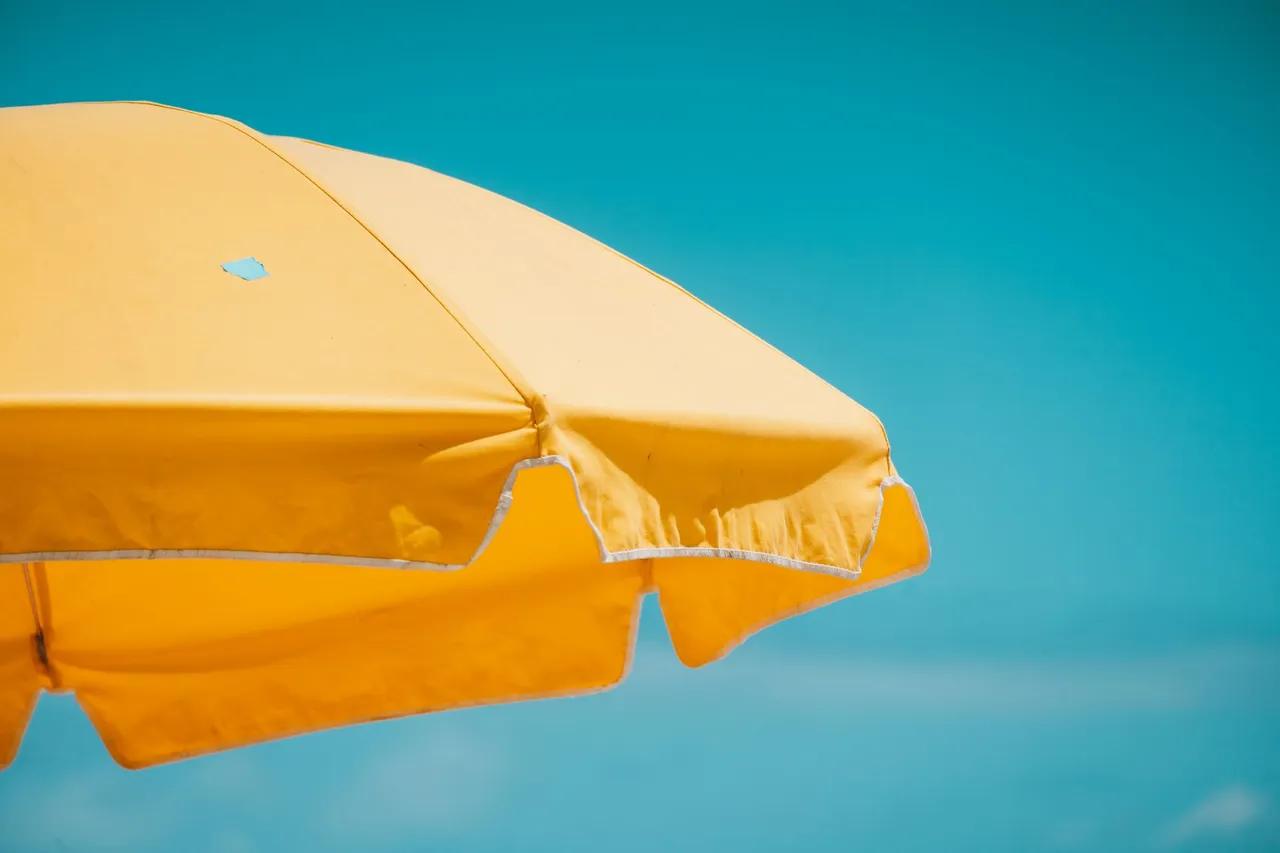
Beach visitors should avoid excessive sun exposure. UVB is most intense from 10 a.m. to 4 p.m. and as you get closer to the equator, so book the early morning or late afternoon for anything long. Both UVA and UVB can cause sunburn, so choose a broad-spectrum sunscreen, and read our sunscreen ban guide before you buy, since national parks ban four ingredients.
Wear lightweight, loose, light-coloured clothing that lets air circulate for evaporation while shielding you from the sun. A wide-brimmed hat markedly reduces radiant heat exposure.
Drinking enough
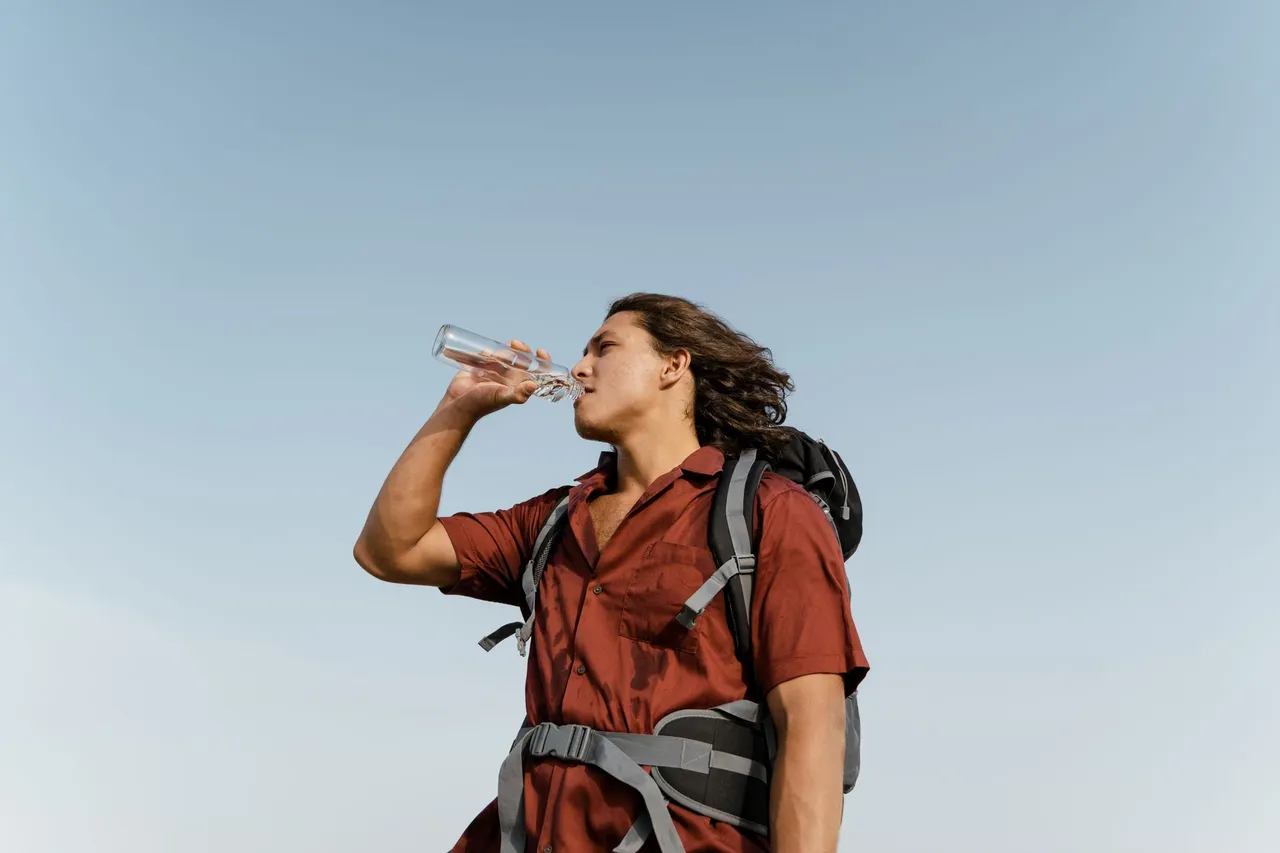
Do not rely on thirst alone, because it is not enough to prevent mild dehydration. The reverse also matters: forcing yourself to drink when you are not thirsty increases the risk of hyponatremia. Carry water on any outdoor day, take it in regular sips, and use sealed bottles as explained in our street food and water guide.
Heat exhaustion versus heat stroke
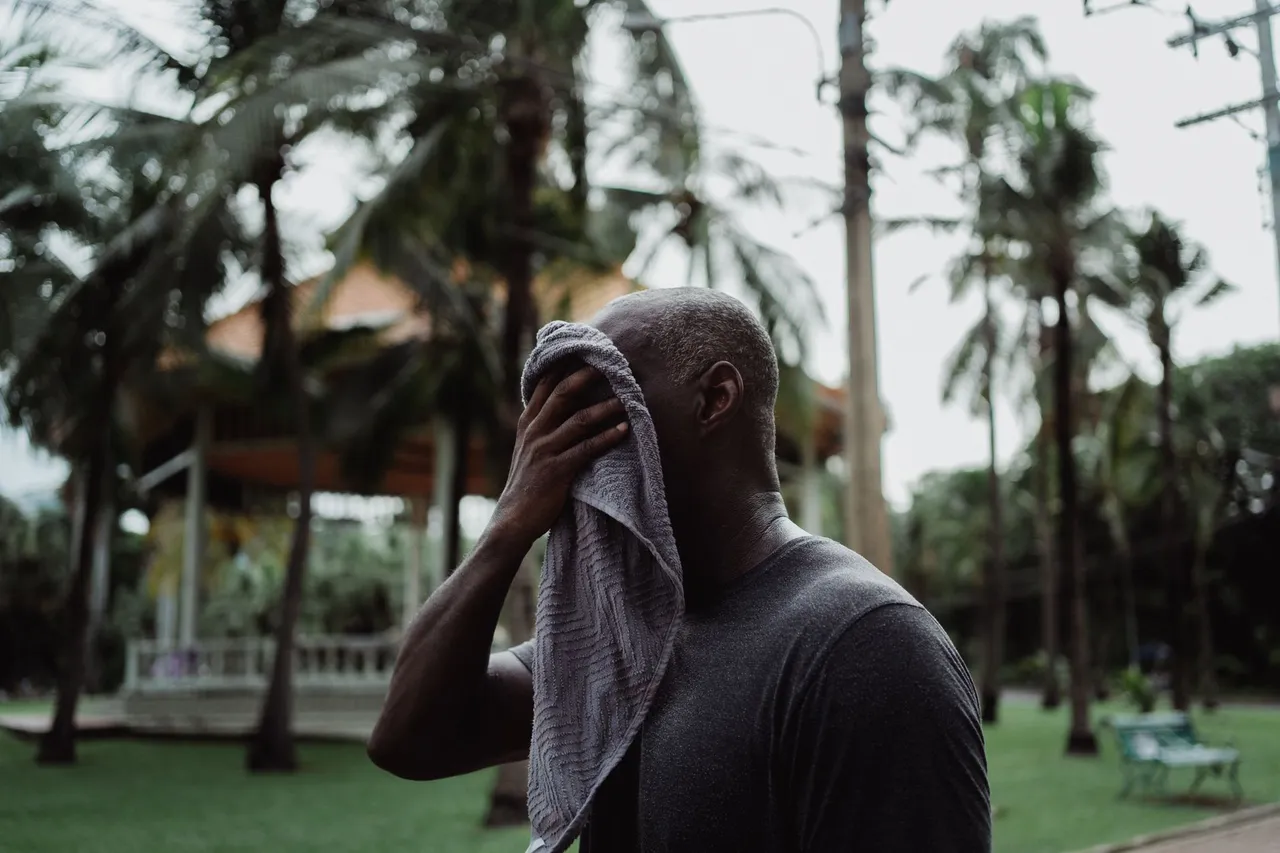
Most cases of heat exhaustion can be treated with rest in the shade or another cool place and water or fluids containing glucose and salt, and recovery takes hours. Heat stroke is different: it is a medical emergency requiring aggressive cooling and hospitalisation. If you suspect it, call 1669 for medical emergencies, and do not delay cooling measures while help is on the way. For other numbers, see our emergency numbers guide, and check that your travel insurance covers medical care.
Photos (4)
- Jess Loiterton
- Natalie Bond
- MART PRODUCTION
- Ketut Subiyanto
Not confirmed: This page covers advice for travellers in general. Thailand's temperatures by month and today's UV index are not covered, so check the weather and UV forecast before an outdoor day. If anyone is confused or collapses in the heat, treat it as an emergency and call 1669.
Common questions
Is Thailand's heat dangerous for tourists?
Thailand's climate is often hot and humid. Sitting on the beach or by the pool carries minimal risk of heat-related illness, while hiking or biking in the heat is a greater risk.
When is the sun strongest?
UVB is most intense from 10 a.m. to 4 p.m., and closer to the equator.
What should I wear in the heat?
Lightweight, loose, light-coloured clothing, and a wide-brimmed hat markedly reduces radiant heat exposure.
Which sunscreen protects from sunburn?
A broad-spectrum sunscreen protects from both UVA and UVB. Check our sunscreen ban page before you buy, because national parks ban some ingredients.
How much should I drink?
Thirst alone is not enough to prevent mild dehydration, but forcing yourself to drink when not thirsty raises the risk of hyponatremia.
What is the difference between heat exhaustion and heat stroke?
Most heat exhaustion is treated with rest in the shade and fluids containing glucose and salt. Heat stroke is a medical emergency: call 1669 and start cooling at once.
Read next
Sources and reader comments
Official sources:
- CDC Yellow Book 2026: Heat and Cold Illness in Travelers (23 Apr 2025) (opens in a new tab)
- CDC Yellow Book 2026: Sun Exposure in Travelers (opens in a new tab)
- National Institute for Emergency Medicine (niems.go.th), home page, Wayback snapshot of 2 Apr 2026 (opens in a new tab)
- CDC Yellow Book: Thailand (page dated 5 Oct 2026) (opens in a new tab)
General health information checked against the sources listed above, not medical advice. Rules, vaccine schedules and prices change; see a doctor or the hospital before you act. See how guides are checked.
Spotted an error? Report it.